Under the Microscope: an Experiment with Meringues
Under the Microscope: an Experiment with Meringues
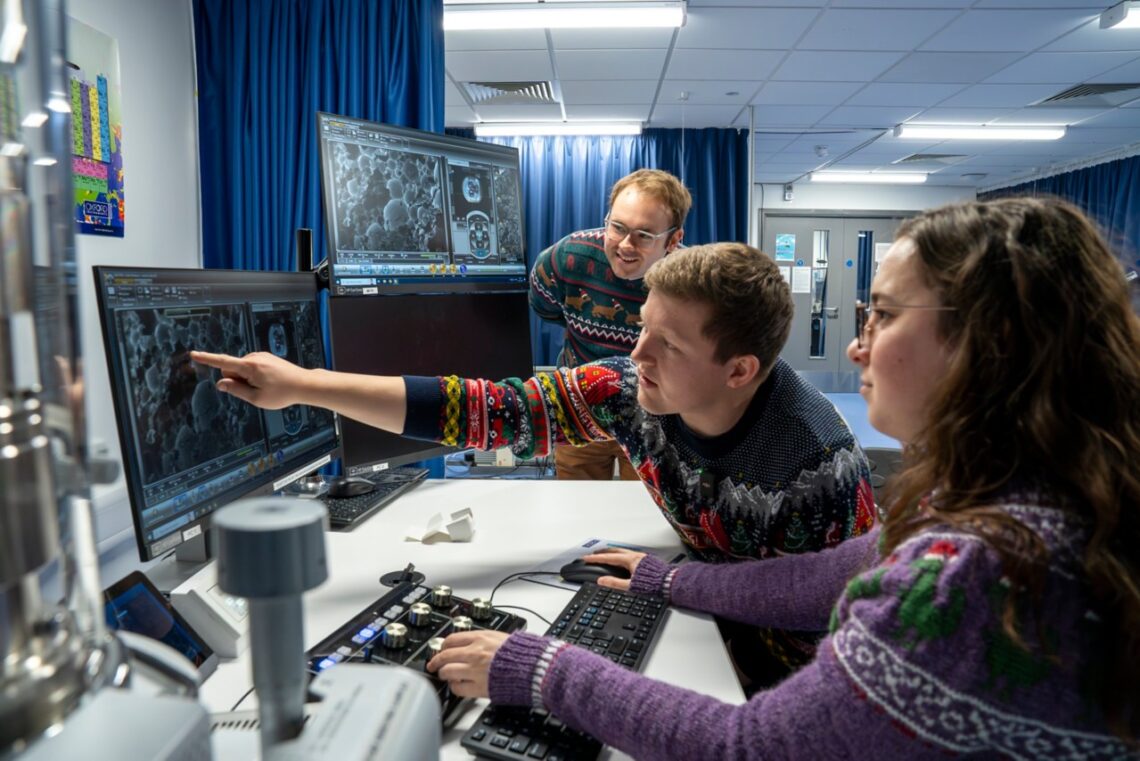
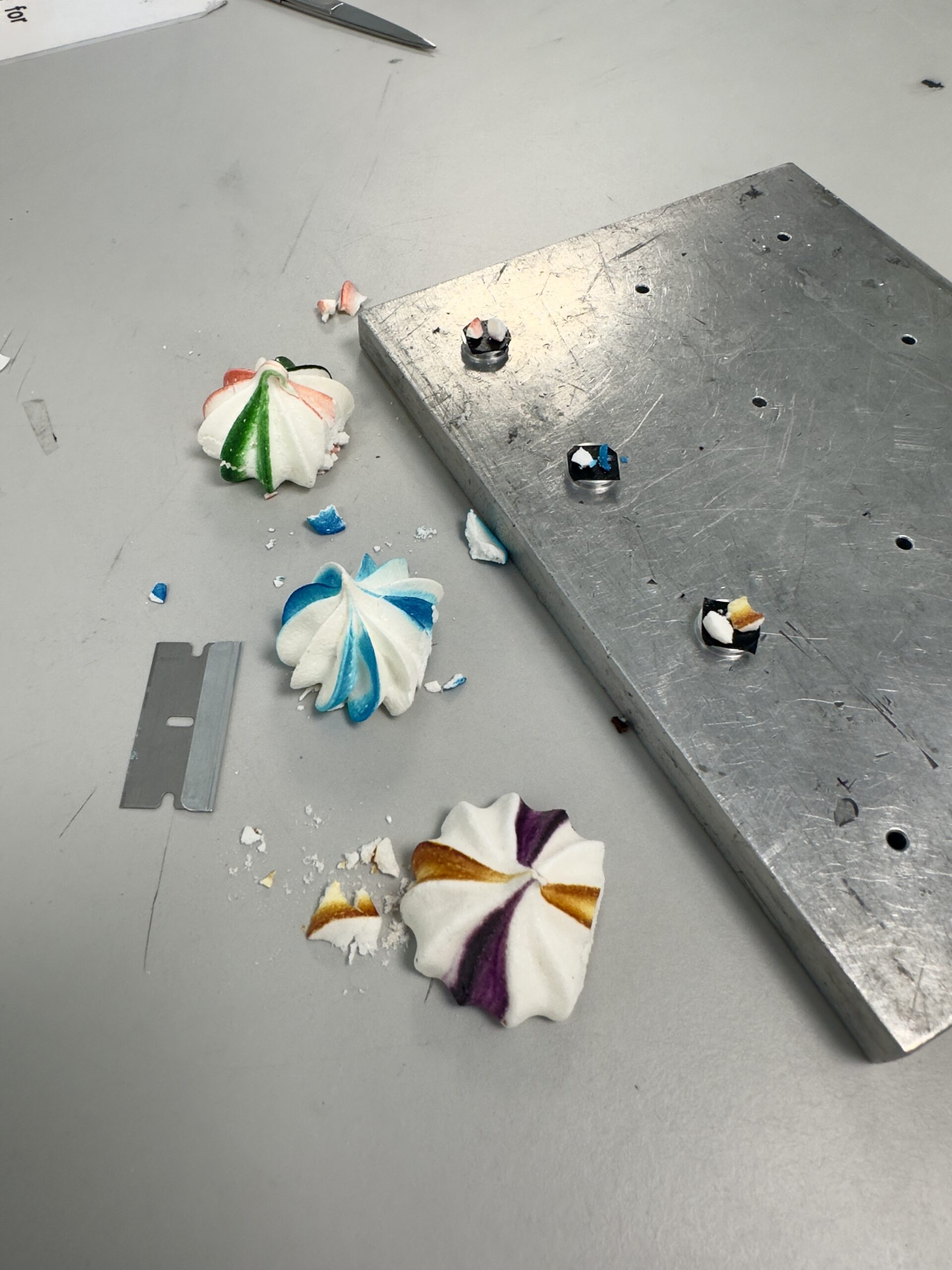
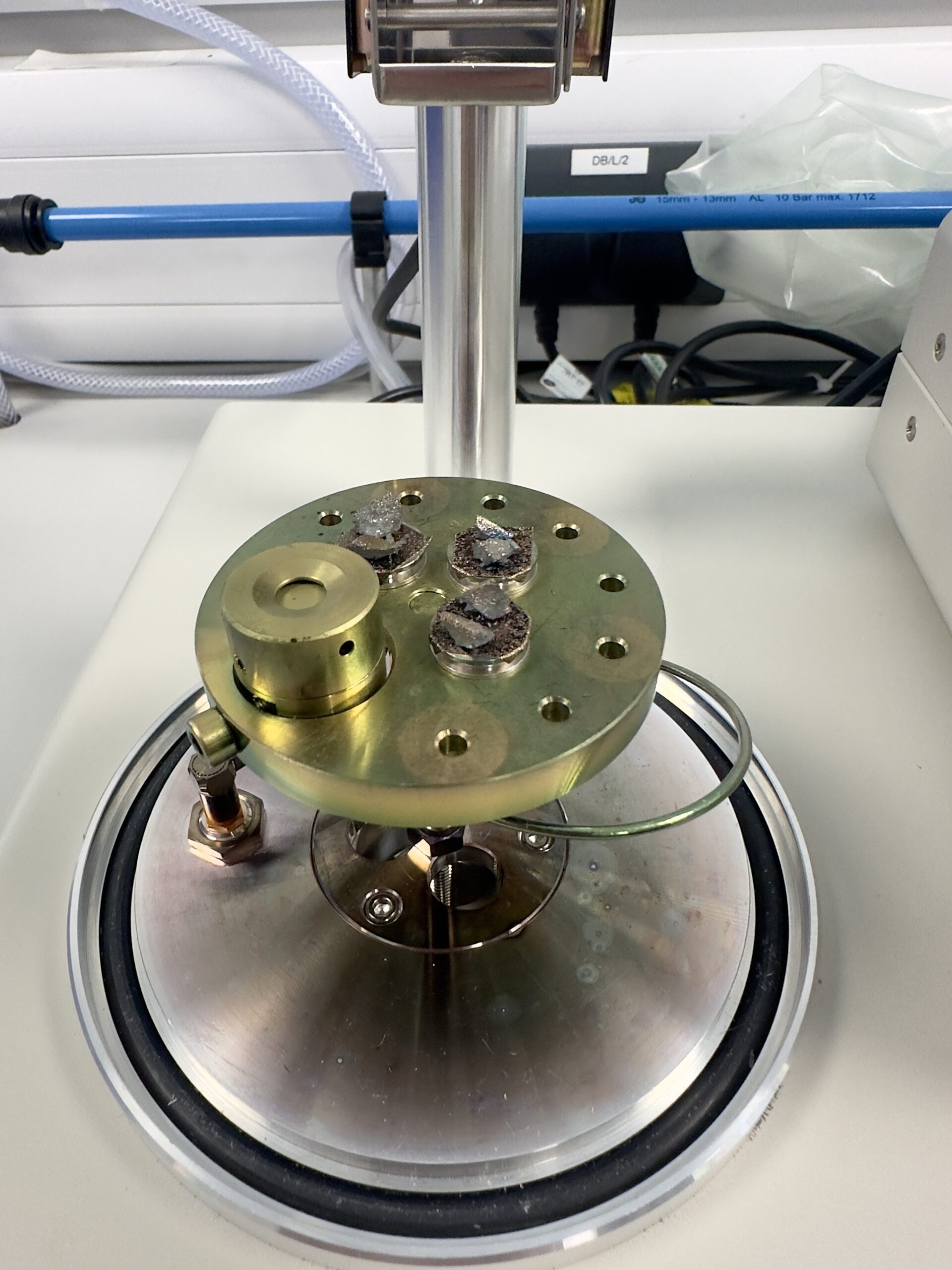
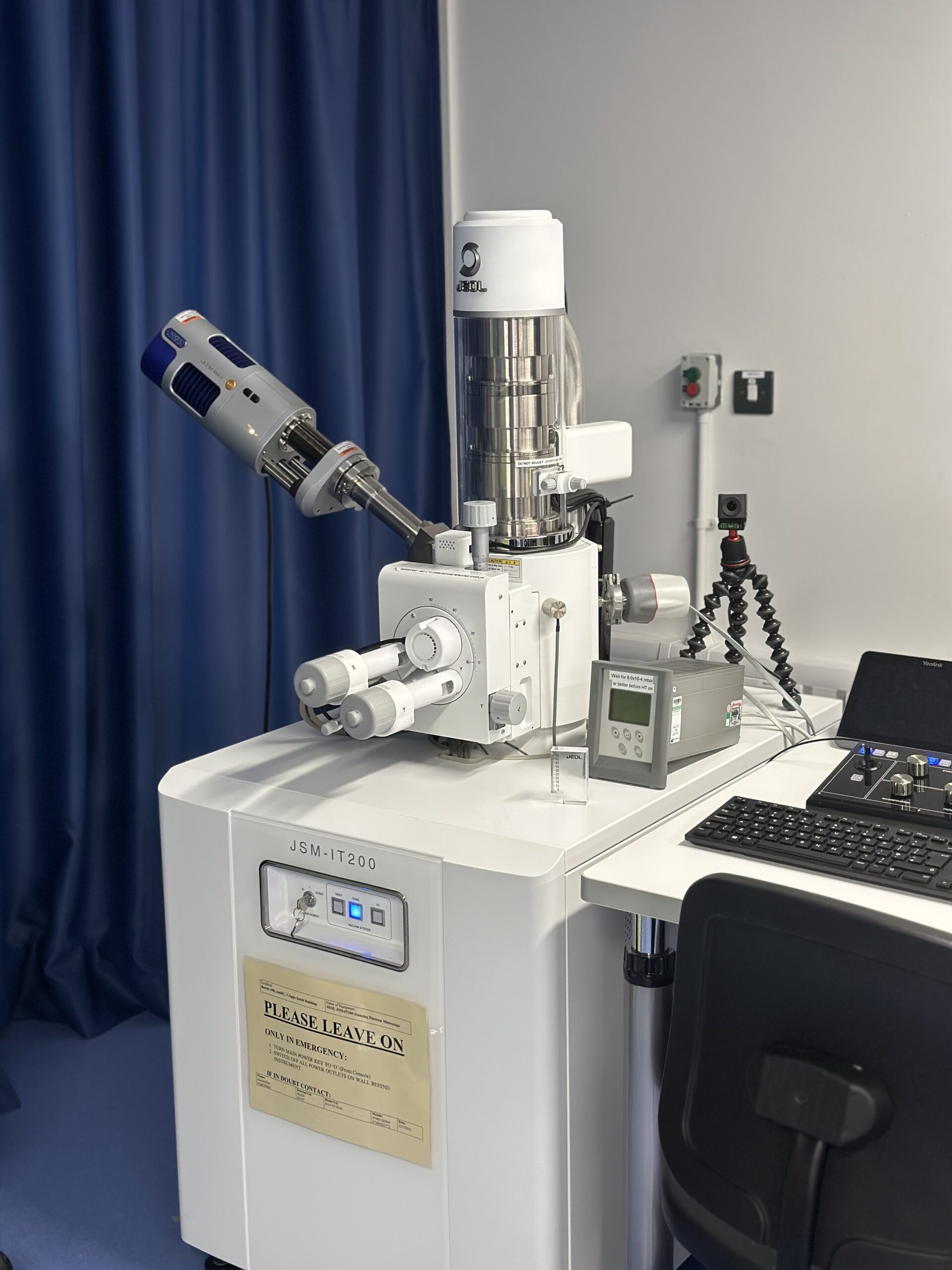
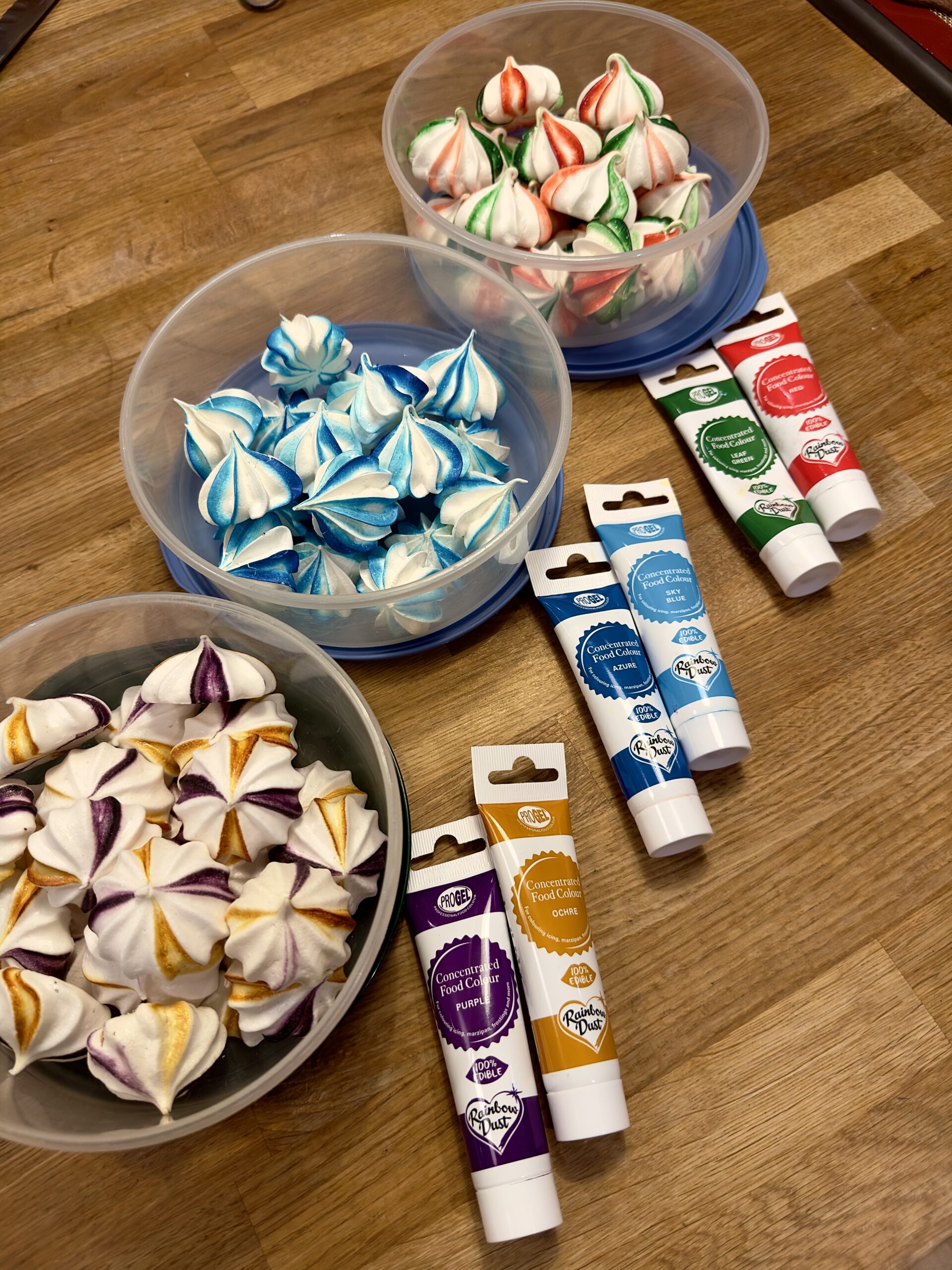
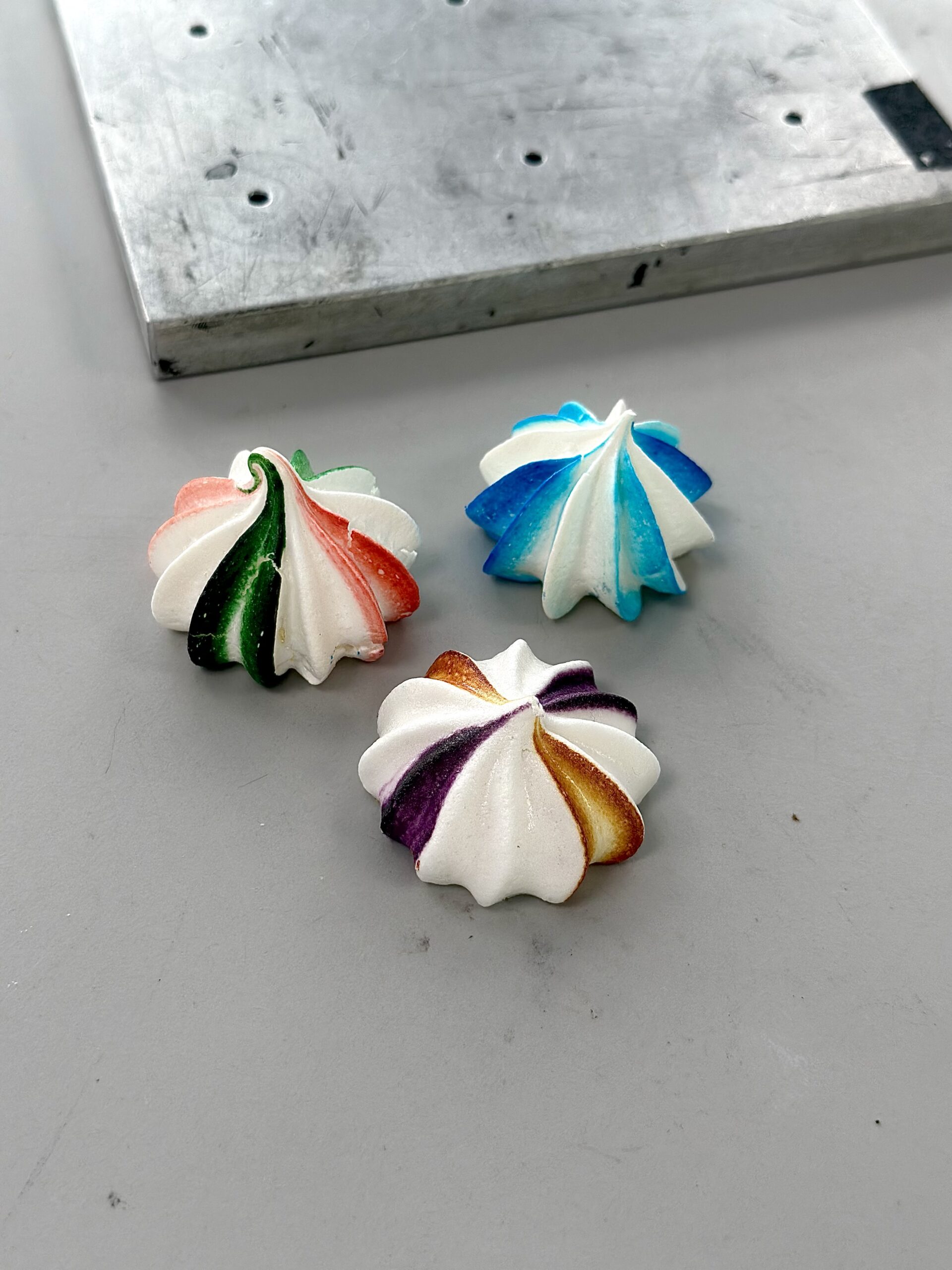
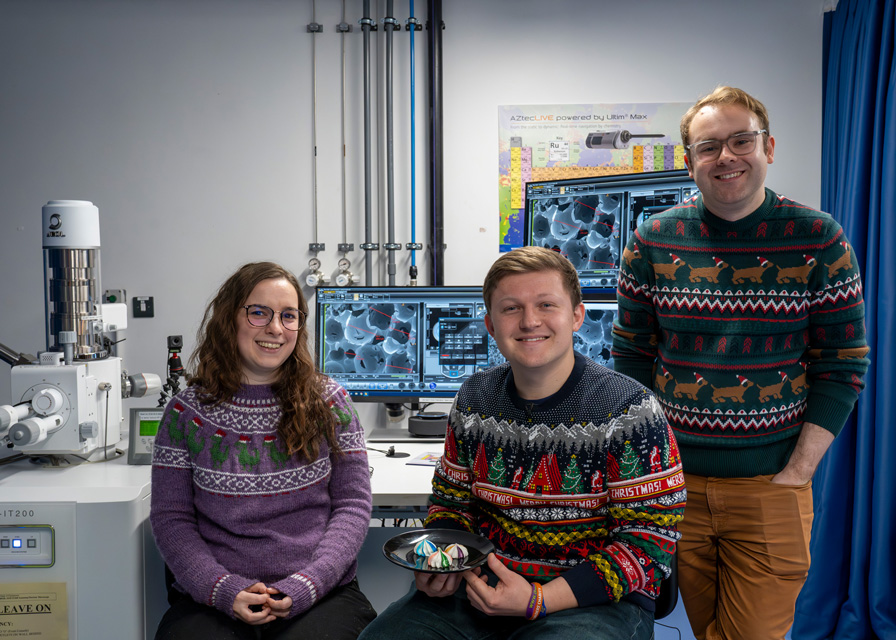
What a fabulous day! Today I visited the University of Nottingham Nanoscale and Microscale Research Centres (nmRC) for a special festive edition of their Under the Microscope programme. I prepared 3 different types of meringue (classic, with added cream of tartar and vegan) which we imaged under an electron microscope to compare their microstructure. The level of detail was breath-taking, my first time using a SEM, and the imaging went a long way to reaffirming the reason why I add a little acid (e.g. cream of tartar) to my meringue as I've now seen firsthand how it does ensure a more uniform and larger bubble size, hence why the meringue itself is always stiffer and fluffier with this addition. The vegan meringue was the one I was most interested about because as a baker I want to be able to use substitutes in my baking but still generate the same looking and tasting product. The microstructure of the vegan meringue was pleasingly very similar to the normal meringue, but air bubbles slightly larger, which makes sense as it does always feel a little more like a foam when you pipe it out onto baking sheets. All-in-all, a brilliant experience and I have taken so much away from it. Now to decide what to image next... Massive thanks to Luke Norman and Lorelei Robertson for welcoming me and facilitating the whole session.

Josh Smalley
Josh is a Chemist by trade with a penchant for baking. His showstopping bakes and attention to detail led him to the final of series 14 of the Great British Bake Off.


You May Also Like
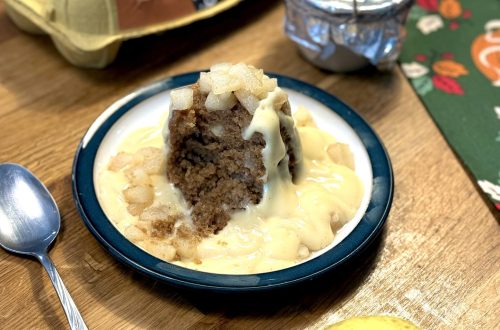
Spiced Pear Steamed Sponge Puddings with Custard
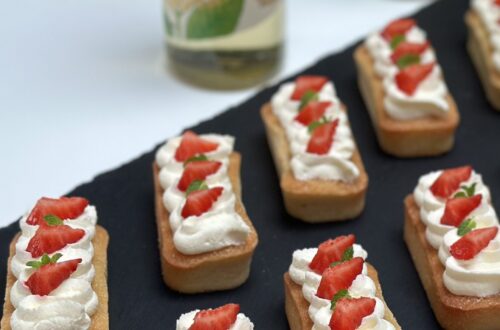
Strawberry, Rhubarb & Elderflower Financiers